
影片库
影片库为你选出部影片









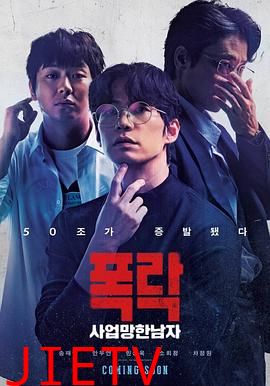
Tae-sik, once a feared ′Hit Man′, loses everything when his boss dies and his gang crumbles. After his closest brother-in-arms, Gi-sun, is murdered in a violent power struggle, Tae-sik vows revenge. With help from a corrupt detective, he meets Mae-hwa, a woman who holds crucial clues to the killer’s identity. As the two grow closer during their search, Mae-hwa’s probing questions put her life in danger—forcing Tae-sik to risk everything to save her.



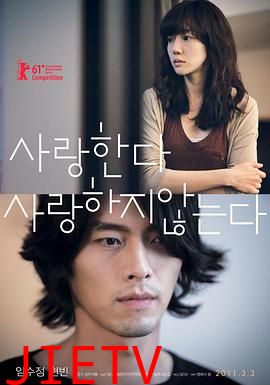
本片改编自日本女作家井上荒野的短篇小说《不能回来的猫》,入围2011柏林电影节主竞赛单元,两位主演都是无酬劳出演该片。
一对夫妻在经过五年的厮守之后,终于濒临分手的边缘。突然有一天妻子(林秀晶 饰)告诉丈夫(玄彬 饰),她有了别人。丈夫是个貌似沉默宽容的男人,他平静地接受了妻子外遇的事实,仍一如既往深情相待。一面帮妻子整理离去的行李,一面为她准备了美味的咖啡。他一边收拾着行李,一边希望也许就在这个短促而有限的空间,他们可以拾回往昔的记忆。然而,妻子却被丈夫的体贴搞得有点不耐烦,情感出现了波动。丈夫为分别前的最后一餐特别预定了餐厅,而为避雨四处躲藏的小猫又成为他试图挽留妻子的契机……外面的雨一直下个不停……最后他们真的会分手吗?




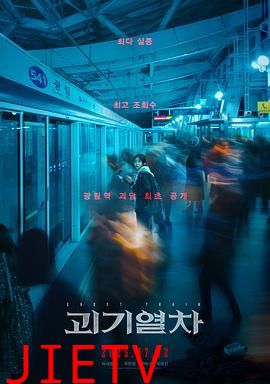
A suspicious taxi running on a dark road at night; An unidentified patient talking to Mi-sook who lives in a nursing home; A strange and creepy English tutor; A young girl seen in a warehouse... and the mysterious incidents that happen in the house while organizing the mother's belongings.
Horror creep that can be felt even with eyes closed and ears covered. A relay of realistic horror stories that take place at home, in a taxi, and in a nursing home.



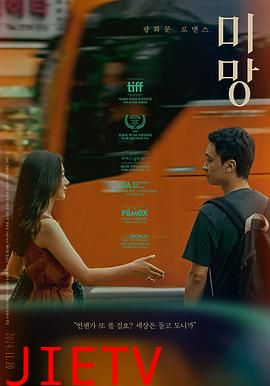
More than once, the protagonists in Mimang wonder where they are and where they’re going—it is a concrete, geographical question born from walking around the streets of Seoul, but as the film progresses, that urban journey also proves to be an existential one. We accompany the characters in some stretches of their path—many years separate each of the episodes that make up the film, and that distance reveals changes through what remains. This is not a film about earthquakes, but about small transformations, and the marks of time can be seen not only in the actors’ bodies, but also in that other omnipresent protagonist that is Seoul, whose vitality invades every shot. Like others before him (it’s inevitable to think about Truffaut or Linklater), here, Kim Taeyang reminds us that cinema is the best time machine that has been invented so far.
源自:https://www.mardelplatafilmfest.com/38/en/pelicula/mimang

A boyfriend, who can barely speak English, embarks on an overseas trip with his girlfriend, who takes charge of planning everything and even handles communication on his behalf. However, their journey turns into a nightmare when they barely make it to their accommodation, and strange knocking sounds start emanating from the room. To make matters worse, the girlfriend disappears while taking a shower, and the police immediately suspect the boyfriend. With meticulously crafted initial ominous situations, such as the flight delays, the rental car agency closing its doors, and a major traffic accident experienced shortly after getting into the car, audiences are easily drawn into the protagonist’s intense quest to find his missing girlfriend. Despite the language barrier, he manages to evade the relentless investigation of the local police and skillfully uncovers clues. Unexpected obstacles keep appearing one after another, propelling the story forward without a moment to catch your breath. At the climax of the confusion, when the full truth of the incident is revealed, and viewers are met with a shocking revelation that leaves them gasping in astonishment. (PARK Got)



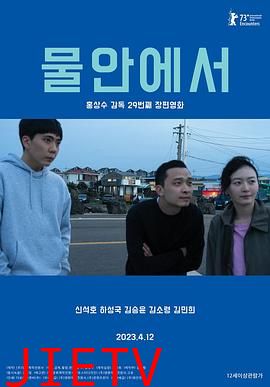


Yu-jeong, a beautiful and successful woman with a trusting nature, becomes the perfect prey for Sun-hee, a narcissistic sociopath who charms and traps her in an abusive relationship. Desperate to escape, she turns to an old friend for help, while Sun-hee—born a predator—launches a dangerous new venture with his own ally. As their paths collide, all are drawn into a deadly web of lies, betrayal, and violence that spirals toward an explosive climax.

More than once, the protagonists in Mimang wonder where they are and where they’re going—it is a concrete, geographical question born from walking around the streets of Seoul, but as the film progresses, that urban journey also proves to be an existential one. We accompany the characters in some stretches of their path—many years separate each of the episodes that make up the film, and that distance reveals changes through what remains. This is not a film about earthquakes, but about small transformations, and the marks of time can be seen not only in the actors’ bodies, but also in that other omnipresent protagonist that is Seoul, whose vitality invades every shot. Like others before him (it’s inevitable to think about Truffaut or Linklater), here, Kim Taeyang reminds us that cinema is the best time machine that has been invented so far.








어느 날 우리 집을 찾아온 불청객?!
유기견 ‘해피’의 귀염뽀짝 가족 침투기!
‘미연’은 우연히 찾은 유기견 센터에서 만난 강아지 ‘해피’가
과거 자신과 인연이 있었음을 알고 입양을 결정한다.
그러나, 오랜 병치레로 까칠해진 엄마와
그런 엄마 곁에서 지쳐버린 ‘미연’의 틀어져 버린 관계 속
새 식구 ‘해피’를 데려온 것이 후회스러워지고 마는데…
모두가 행복해지는 주문 <해피 해피>
멀어진 가족과 새로운 가족,
우리는 과연, ‘해피’한 한 가족이 될 수 있을까?




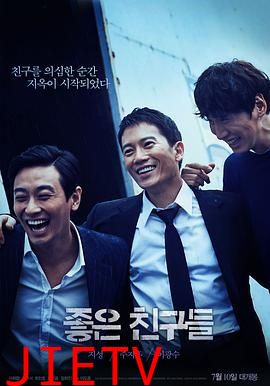
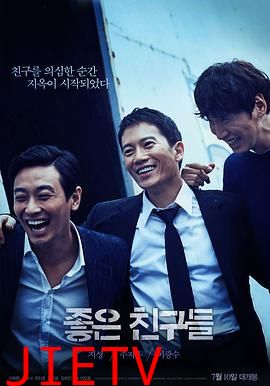

影片改编自同名网络小说。
平凡上班族金独子(安孝燮 饰),唯一嗜好是阅读网络小说《在灭亡的世界中存活的三种方法》,不过在长达十年的连载期间,他却是这个小说的唯一读者。当金独子在地铁车厢读完小说最终话时,小说中的场景却转瞬成为现实。地铁车厢仿佛成为人间炼狱,巨大怪物正践踏着这座城市,以及凭空出现在眼前的讯息:“您收到了第一个主线任务。”紧接着,熟悉的小说角色纷纷登场,而那个无比强大、牵动着整个世界命运的小说主角刘众赫(李敏镐 饰),开始照着剧情一一行动。眼看熟悉的世界将不复返,一个崭新的世界正在诞生,身为唯一知晓这个新世界结局的金独子,将在升级自身能力的同时,打造出与原本小说截然不同的结局。
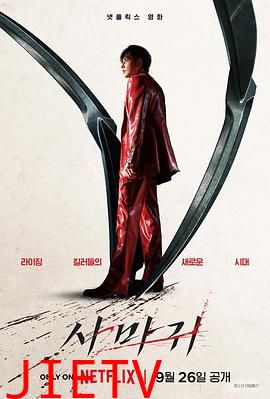

改编自同名网络漫画的电影《我的僵尸女儿》官宣选角阵容。将由曹政奭、李姃垠、曹汝贞、尹敬浩和崔惟理主演。
《我的僵尸女儿》是由李胤昌於2018年在Naver网漫平台连载的作品,讲述了为了保护被僵尸病毒感染的女儿,父亲带著她逃到农村母亲的家中,展开了一段艰苦奋斗的故事。 作品将僵尸和家庭两个主题相结合,不仅揭示了当代社会充斥的仇恨和冲突,还关注了家庭之间的爱与亲情,因此在连载期间广受欢迎。
曹政奭饰演努力让僵尸女儿重新变回人类的“糊涂爸爸”李正桓。奶奶“金凡顺”由实力派演员李姃垠饰演,扮演僵尸女儿“李秀娥”则是崔惟理。 曹汝贞扮演李正桓初恋,尹敬浩则饰演李正桓的幼时好友。

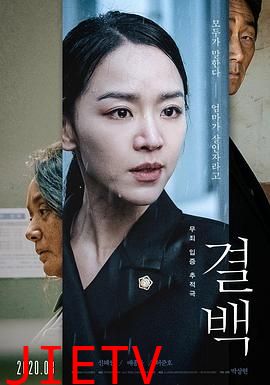
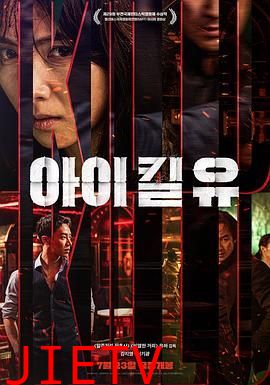

Nothing is more frightening, as the narrator points out, than a ‘time-rich nosy person’. Exhibit A is Ahn Geo-ul (Gyeong Su-jin), who commits herself to social justice causes with terrifying tenacity. After temporarily renting a unit in the Baek-sae Apartment building, she discovers that a loud, hard to locate banging noise occurs from 4am every night, making the residents’ lives an insomniac hell – and so she determines to engage in her own disruption and to find the culprit of this acoustic assault, simultaneously eliminating her eccentric neighbours as suspects, and recruiting them to her cause.
Focusing on a woman who is an unstoppable force for good, it is also a plea for community cohesion and solidarity.
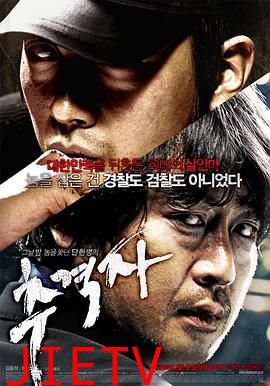
深夜的首尔街头,出租车上频频被插上写有电话的应召女郎的卡片。前刑警忠浩(金允石 Yun-seok Kim 饰)手下就有着一批应召女郎,表面粗暴野蛮的他,对姐妹们貌似毫不讲理。最近忠浩手下的姐妹频频发生失踪事件,他认为是有人故意把她们拐卖。暴跳如雷的他猛翻登记簿寻找蛛丝 马迹,最后确定了一个嫌疑电话尾数为4885。正好这个电话这时呼入需要应召女郎。忠浩让美珍(徐英姬 Yeong-hie Seo 饰)前去。
正在家里发烧卧床的美珍想拒绝,无奈拗不过忠浩,留下七岁女儿在家后还是出门了。忠浩让她记住对方的地址并且用短信告诉他,叮嘱她别搞砸。忠浩亦同时尾随而去,想揪出这个拐卖贩子。美珍跟着4885池英民(河正宇 Jung-woo Ha 饰)进入房间时发觉一切已经太迟,在这个毫无信号的地方,池英民要将她残忍杀害……
失去美珍联系的忠浩开始四处寻找,偶遇到池英民后凭借他身上的血迹断定他是凶手,经过追逐后把他带到警察局。然而警察的冷漠无能以及池英民惊人的冷静,让案件无法侦破。池英民说美珍可能也活着,而忠浩一直没有放弃寻找美珍的希望,拼命追击。
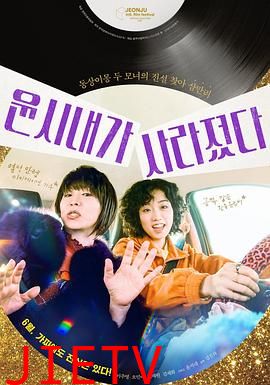
Attention seeker YouTuber Jang Ha-Da is trying to get popular again. One day, legendary singer Yoon Si-Nae disappears. So, Jang Ha-Da uses her mother, an imitation singer Yoon Si-Nae, as a live broadcasting material and gets enthusiastic responses from subscribers. Meanwhile, Yoon Si-Nae, who is despairing after losing the dream stage, decides to leave in search of Yoon Si-Nae with fellow imitation singer Un Si-Nae. And Jang Ha-Da secretly set up a live broadcast.
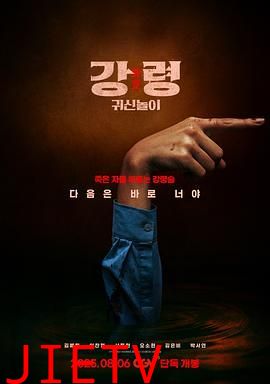

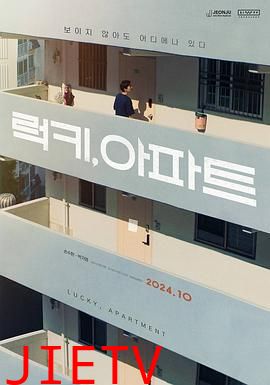
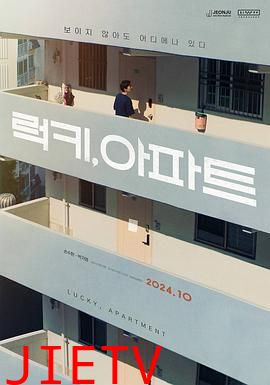
Lesbian couple Sun-woo and Hee-suh buy a small apartment, which they’ve put everything for. But when Sun-woo loses her job and injures her leg, their relationship begins to sour while Hee-suh is sorely responsible for paying the mortgage and interest. Their stress level reaches a fever pitch when a foul odor starts to emanate from downstairs.