影片库
影片库为你选出部影片

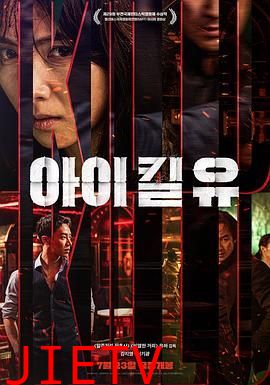
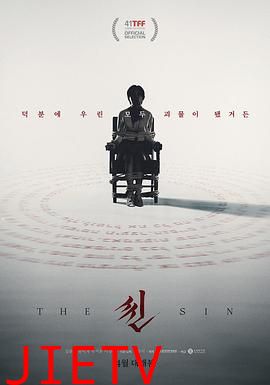
电影《侵犯》于2025年3月12日在韩国院线上映。该片曾入围2024年第29届釜山国际电影节“韩国电影的今日-全景”单元并获得好评。少女时代成员权俞利细腻地塑造了影片中金敏的角色,展现出与歌手时期截然不同的面貌
···
单亲妈妈英恩(郭善英 饰)独自抚养行为怪异的7岁女儿素贤(奇素宥 饰)。为了阻止女儿的危险行为,她竭尽全力、孤军奋战,可女儿素贤逐渐难以控制,英恩的日常生活正一步步走向崩溃。20年后,失去儿时记忆的敏(权俞利 饰)在一家特殊保洁公司工作,她的生活因突然出现的神秘闯入者海英(李雪 饰)而被打破。“你越线的瞬间,裂痕开始了……”








珠仁17岁的时光,是热切投入青涩的恋爱,和好友打闹笑谈对性的好奇,替任职幼儿园校长的甩碌阿妈善后,闲时练跆拳道和做义工挥洒满身活力。某日,同学发起联署,反对出狱在即的强奸犯重回社区,只有珠仁一个不肯签名。她冲口而出的一句话,令她周遭的世界起了剧烈变化。那边厢,幼儿园小女孩身上的瘀青,不禁令人起疑.…..尹佳恩导演一向擅拍儿童,早获奉俊昊力赞为下一代大师级人马,此次探索少女内心幽微更见精准细腻,新人徐粹彬的演出展现惊人层次和魅力。看似平凡的青春日常,幻化成对创伤、韧性和连接的动人描绘,悄无声息地撼动心灵。

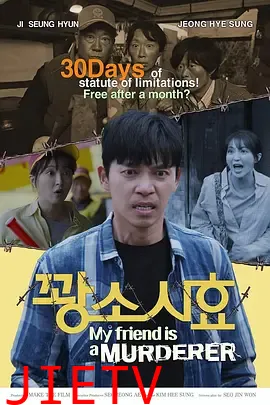
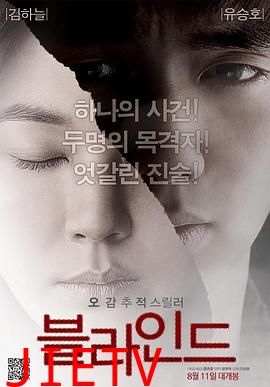



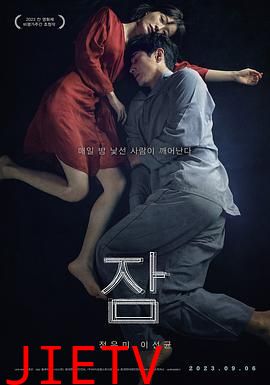

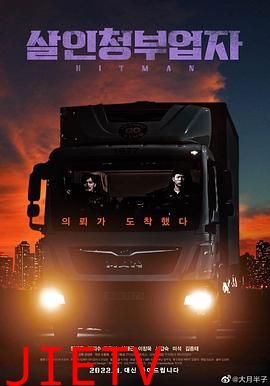

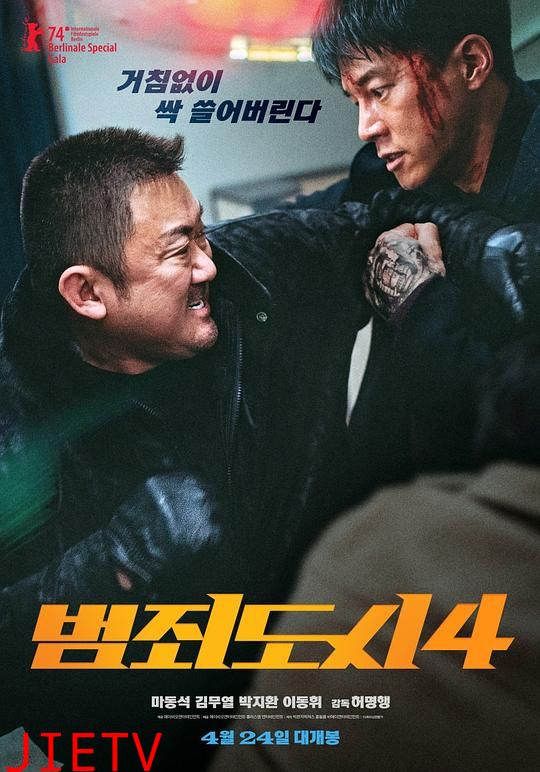




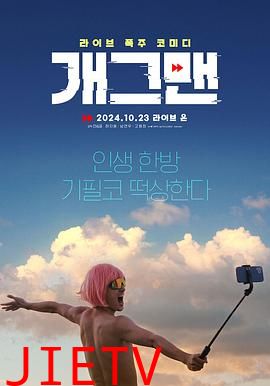
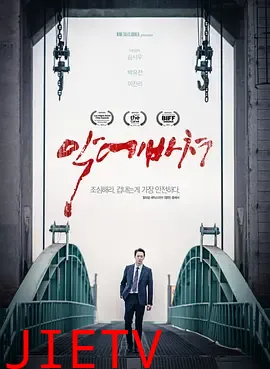
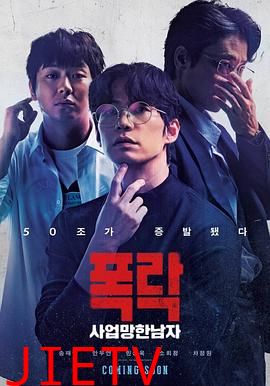
His name is “Geun-seong” (which means “perseverance” in Korean), but he lacks perseverance in his actions. Working as a medical device sales representative, he has never achieved even an average performance. He has no intention of making an effort and wants to become famous through internet live streaming to make a lot of money, just like everyone else. Also, he is a twisted individual who gets entangled in other people’s affairs. At a longawaited high school reunion, Geun-seong encounters Jong-man, who has become famous as a VJ, and he exposes the school violence he experienced, which gained him instant fame.
The movie follows Geun-seong’s journey of descent into wickedness, taking advantage of someone’s weakness. It portrays extreme selfishness in believing there is no problem as long as he can succeed, even if it means trampling over others. This extreme greed is not limited to Geun-seong. As a result of Geun-seong’s actions, including Jong-man’s career being jeopardized, everyone in the film is only concerned about themselves. What is happening to the world? Geun-seong adopts an attitude that he will do anything for fame to earn a large sum of money. The director focuses on Geun-seong’s face in extreme situations, without any sympathy or affection towards him. You might catch a glimpse of your own face there, and sense the tragedy of this era. (HUH Namwoong)




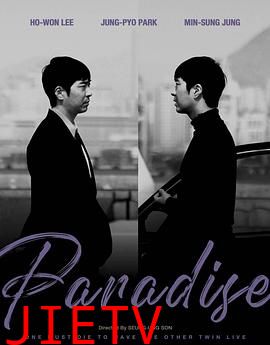
"Can't we all just live together?" It would be nice, but for the twin brothers Il-do and Yi-do, it's just a wishful thought. Born under a cursed fate due to their parents' original sin, one must die for the other to live. To avoid this, they have deliberately cut off contact. However, when Yi-do, who works for a gang, gets stabbed, Il-do somehow hears about it and rushes to donate blood, saving his brother's life. But instead of gratitude, Yi-do attacks him the moment he sees him.


More than once, the protagonists in Mimang wonder where they are and where they’re going—it is a concrete, geographical question born from walking around the streets of Seoul, but as the film progresses, that urban journey also proves to be an existential one. We accompany the characters in some stretches of their path—many years separate each of the episodes that make up the film, and that distance reveals changes through what remains. This is not a film about earthquakes, but about small transformations, and the marks of time can be seen not only in the actors’ bodies, but also in that other omnipresent protagonist that is Seoul, whose vitality invades every shot. Like others before him (it’s inevitable to think about Truffaut or Linklater), here, Kim Taeyang reminds us that cinema is the best time machine that has been invented so far.


A boyfriend, who can barely speak English, embarks on an overseas trip with his girlfriend, who takes charge of planning everything and even handles communication on his behalf. However, their journey turns into a nightmare when they barely make it to their accommodation, and strange knocking sounds start emanating from the room. To make matters worse, the girlfriend disappears while taking a shower, and the police immediately suspect the boyfriend. With meticulously crafted initial ominous situations, such as the flight delays, the rental car agency closing its doors, and a major traffic accident experienced shortly after getting into the car, audiences are easily drawn into the protagonist’s intense quest to find his missing girlfriend. Despite the language barrier, he manages to evade the relentless investigation of the local police and skillfully uncovers clues. Unexpected obstacles keep appearing one after another, propelling the story forward without a moment to catch your breath. At the climax of the confusion, when the full truth of the incident is revealed, and viewers are met with a shocking revelation that leaves them gasping in astonishment. (PARK Got)
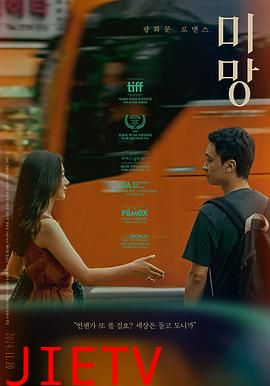
More than once, the protagonists in Mimang wonder where they are and where they’re going—it is a concrete, geographical question born from walking around the streets of Seoul, but as the film progresses, that urban journey also proves to be an existential one. We accompany the characters in some stretches of their path—many years separate each of the episodes that make up the film, and that distance reveals changes through what remains. This is not a film about earthquakes, but about small transformations, and the marks of time can be seen not only in the actors’ bodies, but also in that other omnipresent protagonist that is Seoul, whose vitality invades every shot. Like others before him (it’s inevitable to think about Truffaut or Linklater), here, Kim Taeyang reminds us that cinema is the best time machine that has been invented so far.
源自:https://www.mardelplatafilmfest.com/38/en/pelicula/mimang