影片库
影片库为你选出部影片

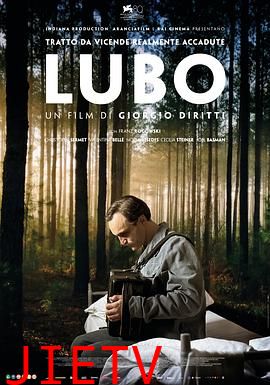
意大利资深导演乔治奥·迪里蒂继传记片《我想藏起来》入围柏林国际电影节主竞赛单元后,其新作《卢博》又入围威尼斯国际电影节主竞赛单元。影片主人公卢博以街头卖艺为生,他是游牧民族的成员。1939年,卢博加入瑞士军队服兵役保卫边境,但随后他的孩子们却被带走接受国家“再教育计划”,卢博意识到只有找回孩子才能获得真正的平静……影片以漫长的冒险旅程和大量细节揭示了主人公追索自由之艰辛。
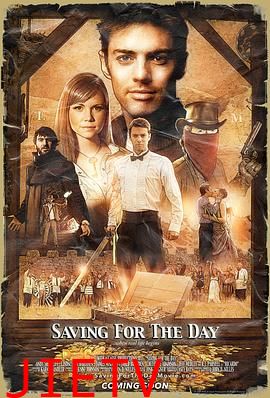
Joe Bell is a penny-pinching hermit saving for the day when his real life will begin. One day he's offered a chest filled with treasure by a cryptic old man known as, "The Clockmaker." After giving the chest to Joe, the Clockmaker "accidentally" locks the chest. Joe must now go on a series of wacky & diverse adventures to find the key. Each adventure is a different genre. There are 15 genres in the film, including action-adventure, comedy, Western, romance, science-fiction, film noir, musical, and more. Joe is finally living life instead of saving. He makes new friends along the way and eventually finds the key on the necklace of a beautiful young woman named Abbey. He falls for her at first sight. However, his desires for her and the treasure are in direct conflict. After another series of dangerous adventures to save Abbey's life and recover the key, he must choose between the two.
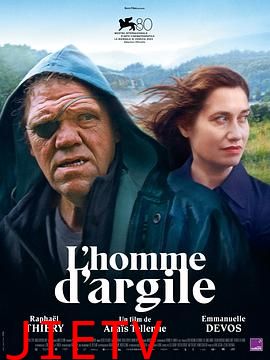
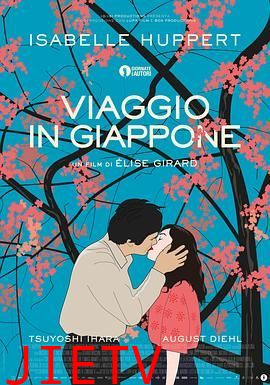
Written by Anaïs Tellenne, the story revolves around the character of Raphaël. Nearing sixty with a blind eye and an imposing physique, he’s well aware that people are afraid of him. He lives with his mother in a detached house located on a vast estate attached to the manor house of which he is the caretaker. He’s been leading a tranquil life since the owners passed away, but everything changes one night when their heir, Garance, returns to the family home…
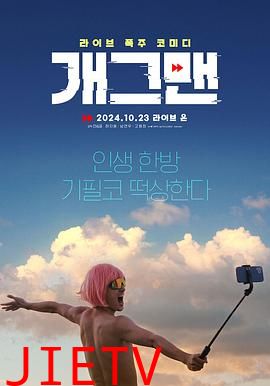
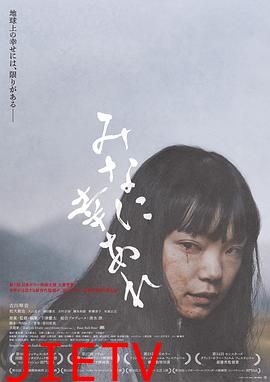
His name is “Geun-seong” (which means “perseverance” in Korean), but he lacks perseverance in his actions. Working as a medical device sales representative, he has never achieved even an average performance. He has no intention of making an effort and wants to become famous through internet live streaming to make a lot of money, just like everyone else. Also, he is a twisted individual who gets entangled in other people’s affairs. At a longawaited high school reunion, Geun-seong encounters Jong-man, who has become famous as a VJ, and he exposes the school violence he experienced, which gained him instant fame.
The movie follows Geun-seong’s journey of descent into wickedness, taking advantage of someone’s weakness. It portrays extreme selfishness in believing there is no problem as long as he can succeed, even if it means trampling over others. This extreme greed is not limited to Geun-seong. As a result of Geun-seong’s actions, including Jong-man’s career being jeopardized, everyone in the film is only concerned about themselves. What is happening to the world? Geun-seong adopts an attitude that he will do anything for fame to earn a large sum of money. The director focuses on Geun-seong’s face in extreme situations, without any sympathy or affection towards him. You might catch a glimpse of your own face there, and sense the tragedy of this era. (HUH Namwoong)













Based on the book by LeBron James and the Pulitzer Prize winning author of Friday Night Lights, Buzz Bissinger, Shooting Stars is the inspiring origin story of a basketball superhero, revealing how LeBron James and his childhood friends become the #1 high school team in the country, launching James’s breathtaking career as a four-time NBA Champion, two-time Olympic Gold Medalist and the NBA’s all-time leading scorer.

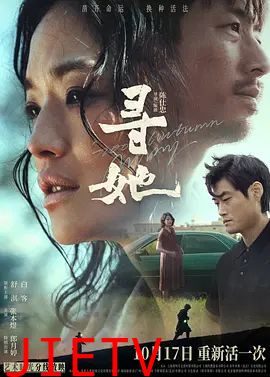
More than once, the protagonists in Mimang wonder where they are and where they’re going—it is a concrete, geographical question born from walking around the streets of Seoul, but as the film progresses, that urban journey also proves to be an existential one. We accompany the characters in some stretches of their path—many years separate each of the episodes that make up the film, and that distance reveals changes through what remains. This is not a film about earthquakes, but about small transformations, and the marks of time can be seen not only in the actors’ bodies, but also in that other omnipresent protagonist that is Seoul, whose vitality invades every shot. Like others before him (it’s inevitable to think about Truffaut or Linklater), here, Kim Taeyang reminds us that cinema is the best time machine that has been invented so far.
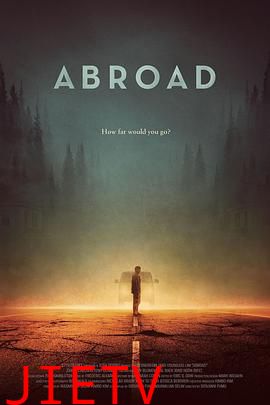
A boyfriend, who can barely speak English, embarks on an overseas trip with his girlfriend, who takes charge of planning everything and even handles communication on his behalf. However, their journey turns into a nightmare when they barely make it to their accommodation, and strange knocking sounds start emanating from the room. To make matters worse, the girlfriend disappears while taking a shower, and the police immediately suspect the boyfriend. With meticulously crafted initial ominous situations, such as the flight delays, the rental car agency closing its doors, and a major traffic accident experienced shortly after getting into the car, audiences are easily drawn into the protagonist’s intense quest to find his missing girlfriend. Despite the language barrier, he manages to evade the relentless investigation of the local police and skillfully uncovers clues. Unexpected obstacles keep appearing one after another, propelling the story forward without a moment to catch your breath. At the climax of the confusion, when the full truth of the incident is revealed, and viewers are met with a shocking revelation that leaves them gasping in astonishment. (PARK Got)
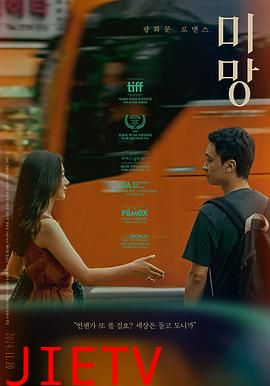
More than once, the protagonists in Mimang wonder where they are and where they’re going—it is a concrete, geographical question born from walking around the streets of Seoul, but as the film progresses, that urban journey also proves to be an existential one. We accompany the characters in some stretches of their path—many years separate each of the episodes that make up the film, and that distance reveals changes through what remains. This is not a film about earthquakes, but about small transformations, and the marks of time can be seen not only in the actors’ bodies, but also in that other omnipresent protagonist that is Seoul, whose vitality invades every shot. Like others before him (it’s inevitable to think about Truffaut or Linklater), here, Kim Taeyang reminds us that cinema is the best time machine that has been invented so far.
源自:https://www.mardelplatafilmfest.com/38/en/pelicula/mimang
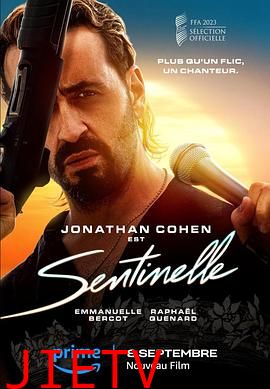
弗朗索瓦·森蒂内尔有双重身份。白天,他是留尼旺岛最出名的警察,以其强硬的手段和花衬衫而闻名,总是开着他那著名的黄色越野车追捕罪犯。但在其他时间,森蒂内尔也是一个有魅力的歌手。
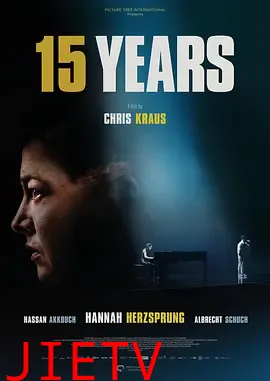
珍妮曾被誉为“钢琴天才”,但她因冤案而被判入狱15年。当她遇到有歌唱天赋的叙利亚战争难民奥马尔时,她同意在电视音乐选秀节目中为他弹钢琴伴奏。在她的牢狱生活期间,她的初恋弗莱舍成为了一名流行歌星,并担任了音乐选秀比赛的评委,而珍妮和奥马尔则是其中很有望胜出的选手之一。在狱中度过这些痛苦的岁月后,现在是珍妮做出选择的时刻:是报复,还是幸福和未来?